
Why You Should Never Ignore a Tick Indoors – The Simple Steps Every Homeowner Needs to Know
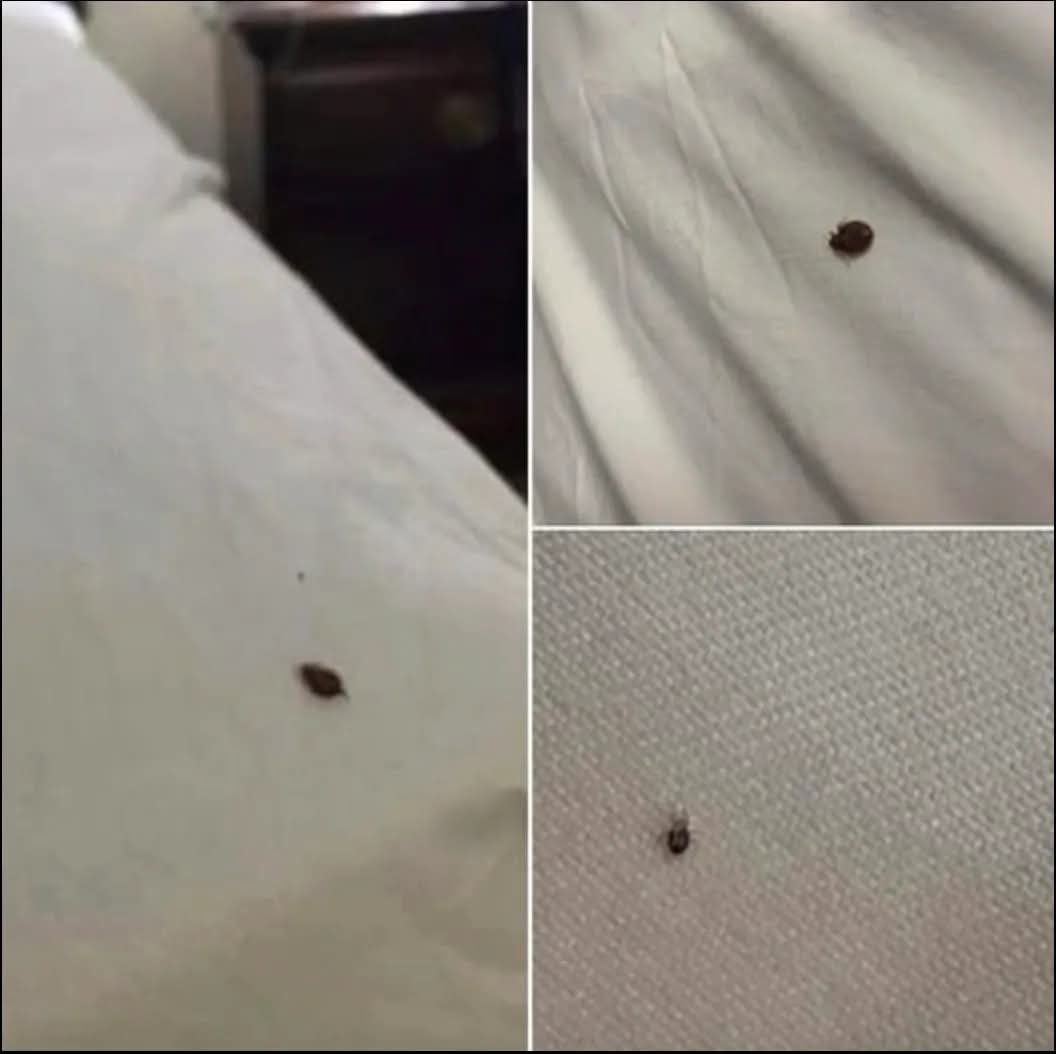
Most of us don’t think twice when we see a spider on the wall or a stray ant in the kitchen. But a tick inside your home? That’s a whole different level of concern. These tiny hitchhikers are more than just creepy — they can carry dangerous diseases such as Lyme disease, Rocky Mountain spotted fever, and anaplasmosis. And while many people assume ticks are only found outdoors, the truth is they can easily end up inside, especially if you live near tall grass, wooded areas, or have pets that go outdoors.
So if you ever spot a tick crawling across the floor, hiding in bedding, or even worse, attached to a person or pet, don’t panic — but don’t ignore it either. Acting quickly can prevent a single tick from turning into a bigger problem.
1. Identify and Isolate the Tick Immediately
The first step is figuring out what you’re dealing with. There are several types of ticks, and some behave very differently indoors:
• Black-legged (deer) ticks – Common carriers of Lyme disease.
• American dog ticks – Known for spreading Rocky Mountain spotted fever.
• Brown dog ticks – The most concerning indoors because they can reproduce inside houses.

Use gloves or tweezers to capture the tick—never use your bare hands. Place it in a small sealed container or zip bag. Keeping it helps if someone later develops symptoms and doctors need to know the species.
Most indoor tick incidents come from a pet that brought one in after going outside. But brown dog ticks can infest cracks, carpets, and furniture, so isolating the tick is extremely important.
2. Protect Yourself, Your Family, and Your Pets
Before cleaning anything, take a moment to protect yourself. Ticks are small, fast, and excellent at hiding.
• Wear gloves, long sleeves, and long pants.
• Keep pets and children away from the area.
• If a tick is attached to a person or animal, remove it carefully with fine-tipped tweezers—pull straight up without twisting.
After removal, clean the bite area with alcohol or warm soapy water.
3. Clean the Area Thoroughly (This Step Is Crucial)
Ticks are tougher than most people realize. They can survive being smashed, washed, or drowned. That’s why proper cleaning matters.

• Wash bedding, blankets, and clothing on high heat. Low or warm cycles will not kill ticks.
• Vacuum the area, especially crevices, corners, and gaps where ticks hide.
• Empty the vacuum bag or canister outside immediately.
• If your pet may have brought in the tick, wash their bedding too.
This deep cleaning prevents any hidden ticks from reattaching to a pet or human later.
4. Check Pets — They’re the Number One Carrier of Indoor Ticks
If you have a dog or cat that goes outdoors, inspect them carefully every day during warmer months.
Common places ticks hide on pets:
• inside ears
• under the collar
• groin area
• between toes
• around the tail
• along the neck and chest
If your pet has multiple ticks, you may need a vet-approved tick treatment or preventive medication.
5. When to Worry About an Infestation
One tick inside doesn’t automatically mean you have a problem.

But watch for warning signs:
• finding multiple ticks within a few days
• ticks on multiple pets
• ticks appearing in different rooms
• small, pepper-like tick eggs in cracks or fabric
If this happens, especially with brown dog ticks, call a pest control professional — indoor tick infestations are extremely difficult to eliminate without help.
Final Thoughts
A tick indoors is never something to shrug off. While most cases involve a single tick that sneaked in on a pet or person, acting fast can prevent bites, illness, and potential infestation. With quick identification, proper cleaning, and regular pet checks, you can keep your home safe and tick-free.