The Hidden Power of Lactuca serriola Root (Prickly Lettuce Root)
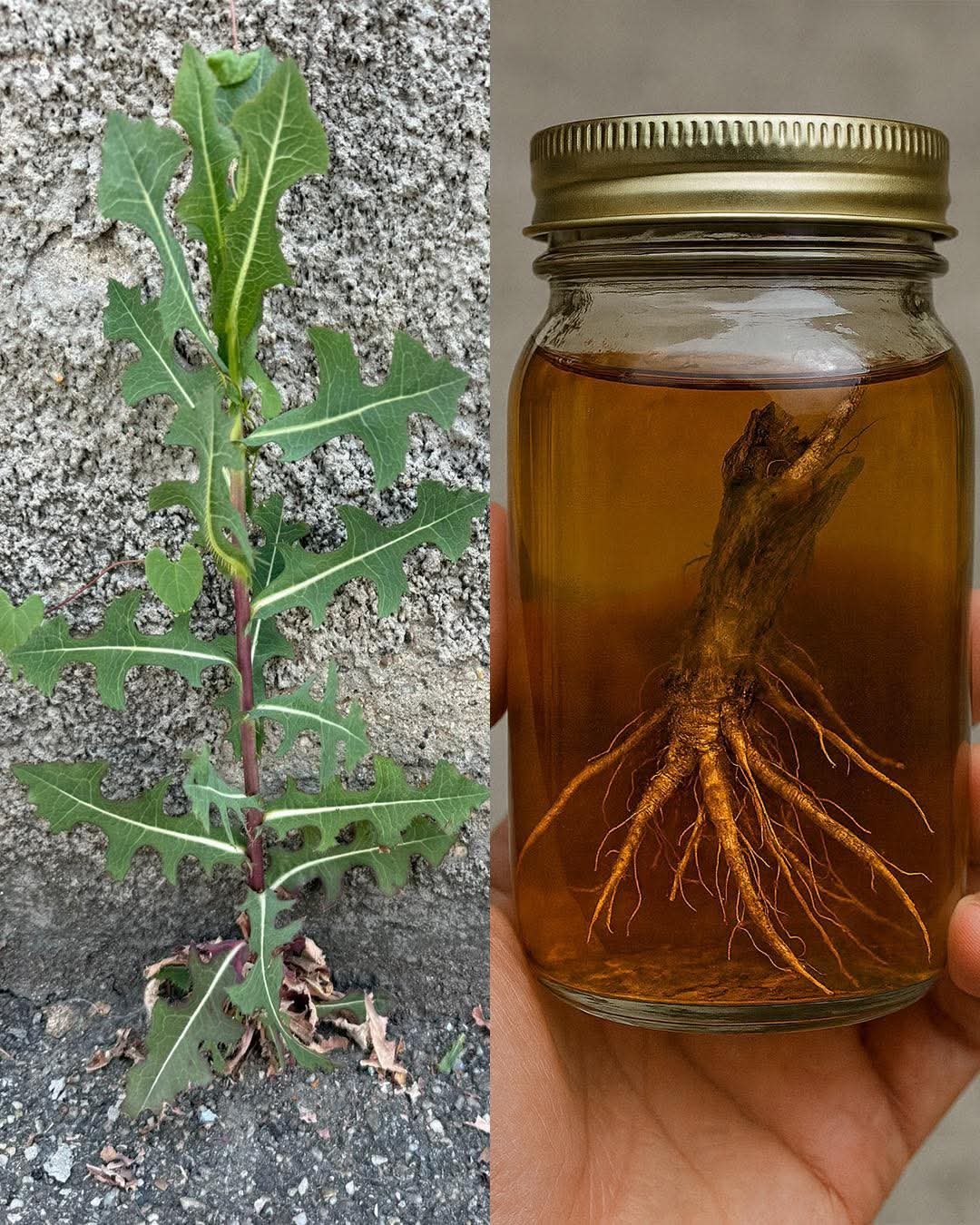
The hidden power of Lactuca serriola root is one of nature’s whispers we tend to ignore. Often dismissed as a roadside weed, this wild lettuce hides a tap-root and milky sap that traditional herbalists and recent studies suggest may support wellness in surprising ways.
Deep in the soil, the root system anchors a plant whose latex-filled stem and bitter leaves carry bioactive compounds with analgesic, sedative, antioxidant and anti‐inflammatory potential. One scientific investigation found that the roots of Lactuca serriola exhibited significantly higher phenolic and flavonoid content when grown via specialized “hairy root” cultures — increasing antioxidant power by 30-50 %.
Research also shows the plant supports liver health: a methanolic extract of Lactuca serriola demonstrated hepatoprotective effects in laboratory models where liver damage had been induced.
You may be asking — what exactly does the root (and the plant overall) offer, and how might it be used safely? Here’s a breakdown of its most compelling effects, followed by practical usage tips and important precautions.

What it may offer
Antioxidant support: The root and overall plant are rich in polyphenols and flavonoids, compounds that help neutralize oxidative stress and protect cells from damage.
Natural pain relief & mild sedative effect: The plant’s milky latex (lactucarium) has long been used in folk medicine for its analgesic and mild sedative properties — helping with headaches, muscle pain or sleeplessness.
Anti-inflammatory and liver support: Studies indicate the plant may reduce inflammatory markers and support liver function in models of induced toxicity.
Digestive & detox support: The bitterness of wild lettuce stimulates bile production and digestion, while its root and plant may support natural detox mechanisms.
How to use it (traditional / exploratory)
Harvest the plant responsibly: If you forage, ensure correct identification (look for spines under the leaf mid-rib, milky sap when cut). Avoid polluted sites.
Use the root or extract in tincture or herbal infusion form. While much of the research focuses on extracts rather than raw root, one could brew a mild tea of the root or root + leaves for digestive or calming support.
Combine young leaves (taste bitter) into salads or blends for a nutritional boost — though the root is less commonly eaten and more often used for extraction.
Dosage & caution: Traditional use suggests mild sedative effects — this means if using the root or extract you should avoid driving or operating heavy machinery. Pregnant or breastfeeding women, children, or those taking sedative or anticoagulant medications should consult a professional before use.
Important precautions & warning
Excessive consumption may cause drowsiness, digestive upset, or interactions with sedatives.

Some livestock feeding on this plant have shown toxicity (e.g., pulmonary emphysema in cattle) — indicating that correct dosing, preparation and species identification matter.
The root itself hasn’t been as widely studied as leaves/extracts, so dosage, preparation and efficacy for the root are less established in humans.
Final thoughts
While often overlooked, Lactuca serriola root — and the plant as a whole — carries considerable potential as a natural support for antioxidant health, liver protection, mild pain relief, digestive support and calming. It exemplifies how nature hides treasures in unexpected places — even in a “weed” by the roadside.
If you’re exploring herbal wellness and want to experiment with lesser-known roots, this one might deserve a spot on your radar. Always proceed with respect, knowledge and professional guidance.