Taro Unraveled: The Hidden Power of This Ancient Root! 🌿
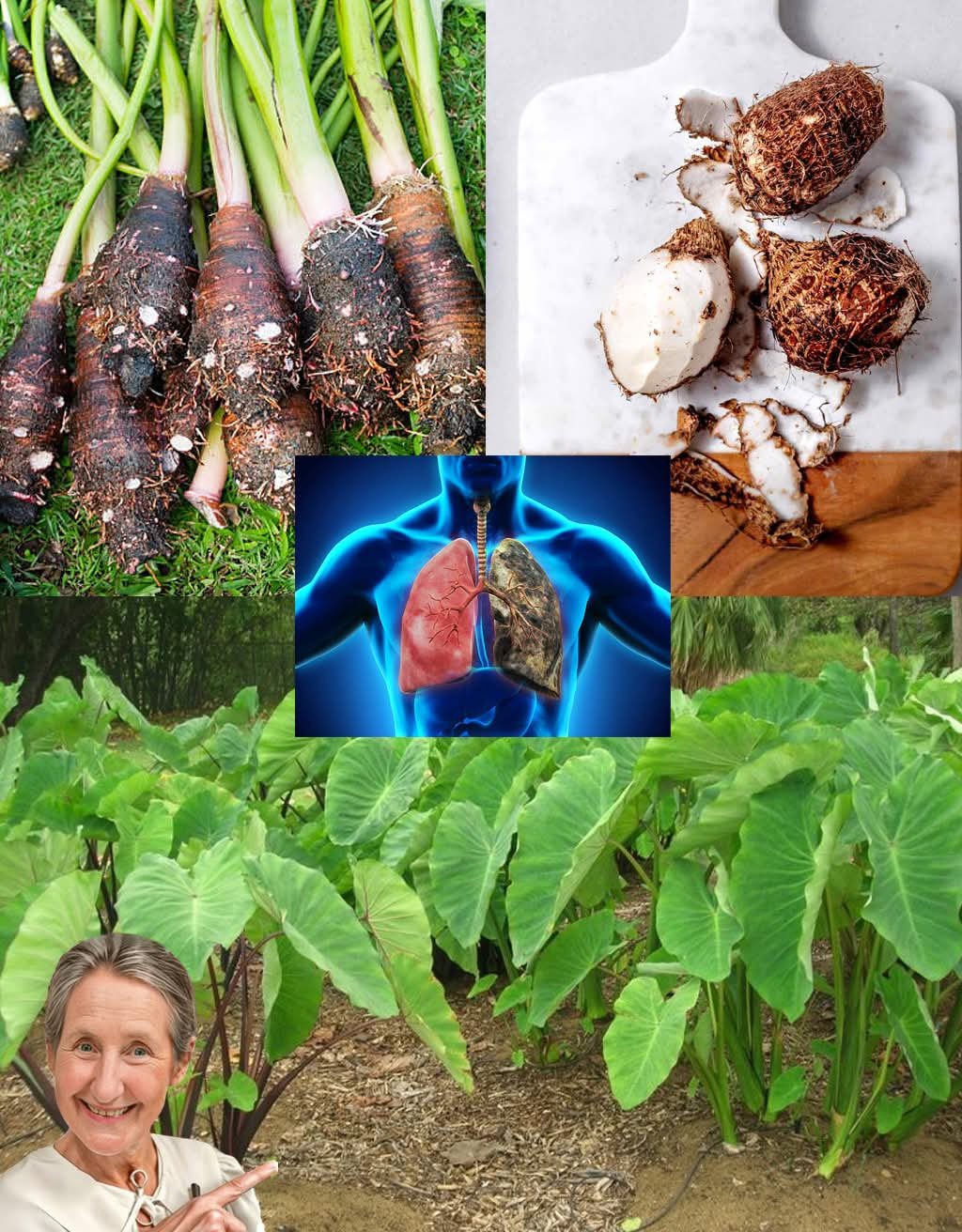
Taro, also known as Colocasia esculenta, is one of the world’s oldest cultivated crops — a humble root that has nourished people across Asia, Africa, and the Pacific Islands for centuries. While it may look like an ordinary tuber on the outside, taro is packed with nutritional power and healing benefits that modern science is only beginning to understand.

Let’s explore why this ancient root deserves a place on your plate — and how it can transform your health from the inside out.
A Nutritional Treasure Beneath the Skin
Taro is rich in essential nutrients that your body needs daily. It’s an excellent source of:
- Fiber, which supports digestion and keeps blood sugar steady
- Potassium, which helps regulate blood pressure
- Vitamin E and C, powerful antioxidants that protect your cells from damage
- Manganese, magnesium, and iron, key minerals for energy and bone health
Unlike potatoes, taro has a low glycemic index, meaning it releases energy slowly — making it perfect for people managing diabetes or those who want longer-lasting energy throughout the day.

Health Benefits That Might Surprise You
- Supports Digestive Health
The high fiber content in taro acts like a natural cleanser for your gut. It improves bowel movements, nourishes healthy gut bacteria, and may even help prevent constipation and bloating. - Promotes Heart Health ❤️
Taro’s potassium and magnesium help control blood pressure, while its fiber lowers cholesterol levels — a combination that keeps your heart strong and healthy. - Boosts Immunity
Rich in antioxidants like vitamin C and polyphenols, taro helps the body fight off infections, reduces inflammation, and slows down cell aging. - Improves Skin Health
The antioxidants and vitamin E in taro promote collagen production, giving your skin a smoother, more youthful appearance. Some traditional cultures even use taro paste as a natural skin mask. - Enhances Blood Sugar Control
Thanks to its resistant starch, taro helps manage blood sugar spikes after meals, making it an excellent food for people with diabetes or insulin resistance.
How to Eat Taro Safely and Deliciously
Taro should never be eaten raw, as it contains compounds that can irritate the throat. Always boil, steam, or roast it before eating.
You can enjoy taro in many delicious ways:
- Mash it like potatoes for a creamy side dish
- Add it to soups and stews for thickness and flavor
- Turn it into crispy taro chips or sweet desserts
- Blend it into smoothies for a nutrient boost
Final Thoughts
Taro isn’t just an ancient food — it’s a superfood rooted in tradition and science. With its unique mix of fiber, vitamins, and minerals, this remarkable root can help support your heart, gut, and overall vitality.

Next time you’re looking for a wholesome alternative to common carbs, remember taro — the ancient root that continues to power generations with natural energy and wellness. 🌱✨