
Doctors warn that millions of women are silently suffering from THIS hidden condition… See more
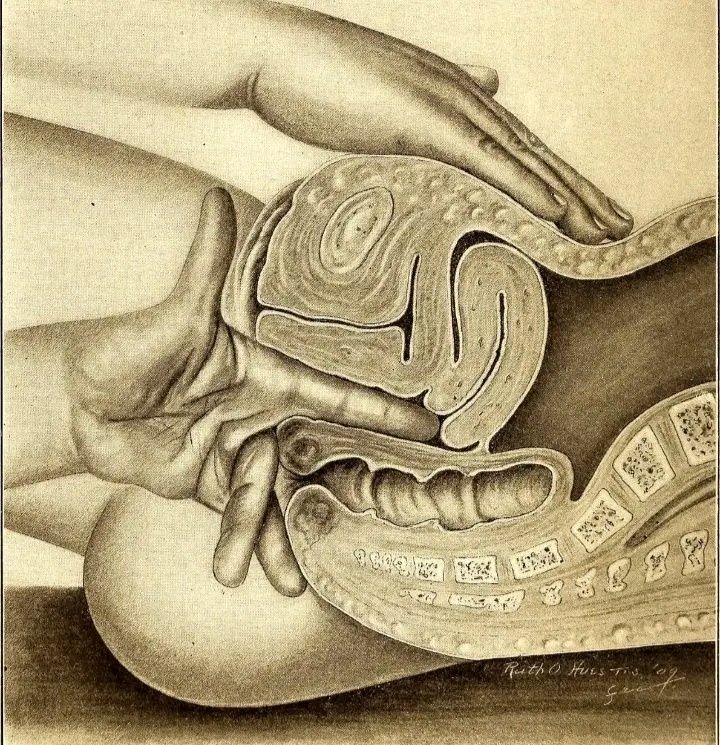
Uterine prolapse is a medical condition that happens when the muscles and ligaments in a woman’s pelvis become weak and are no longer able to properly support the uterus. As a result, the uterus can slip down into the vagina and, in more severe cases, may even protrude outside the body. This condition most commonly affects women after menopause, but it can occur at any age, especially in those who have given birth multiple times or experienced significant strain on the pelvic area over the years.

One of the main causes of uterine prolapse is weakened pelvic floor muscles. Pregnancy and vaginal childbirth put a great deal of pressure on these muscles, and repeated deliveries increase the risk over time. Aging also plays a role, as estrogen levels drop after menopause, reducing the strength and elasticity of pelvic tissues. Other contributing factors include chronic coughing, obesity, frequent heavy lifting, constipation that causes straining during bowel movements, and a family history of pelvic floor disorders.
The symptoms of uterine prolapse can range from mild to severe, depending on how far the uterus has descended. In early stages, many women may not notice any symptoms at all. As the condition progresses, common signs include a feeling of heaviness or pressure in the pelvic area, a sensation that something is “falling out” of the vagina, lower back pain, discomfort during intercourse, urinary problems such as leakage or difficulty emptying the bladder, and bowel issues like constipation. In advanced cases, part of the uterus may be visible outside the vaginal opening, which can lead to irritation, infection, or sores if not treated.

Diagnosis is usually made through a pelvic examination performed by a healthcare professional. In some situations, additional tests such as ultrasound or MRI may be used to better understand the extent of the prolapse and whether other pelvic organs are involved, such as the bladder or rectum.
Treatment depends on the severity of the prolapse and the woman’s overall health, age, and lifestyle. Mild cases may only require simple lifestyle changes, such as pelvic floor exercises (often called Kegel exercises), weight management, avoiding heavy lifting, and treating chronic cough or constipation. A vaginal pessary, which is a removable device inserted into the vagina to support the uterus, is another non-surgical option that works well for many women.

In more severe cases, surgery may be recommended to repair the supportive tissues or, in some situations, to remove the uterus altogether. Surgical decisions are made carefully after discussing future plans, such as whether the patient wishes to retain the uterus.
Although uterine prolapse can be uncomfortable and emotionally distressing, it is a manageable condition. Early recognition, proper medical care, and healthy lifestyle habits can greatly improve symptoms and quality of life. Most importantly, women should never feel embarrassed to seek help — this is a common medical issue, and effective treatments are available.