
Has This Ever Happened to You? The Strange Phenomenon That Freezes You in Your Sleep
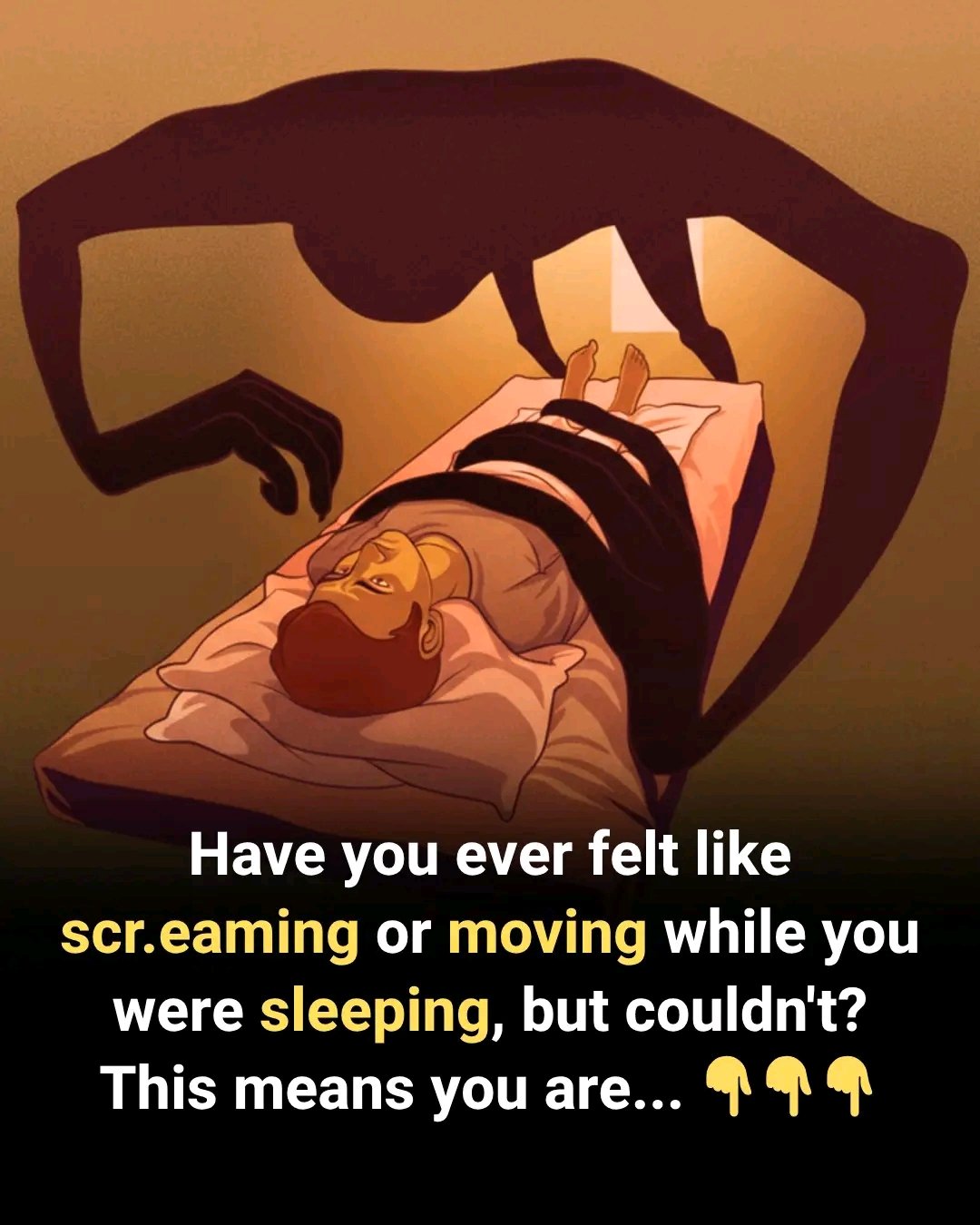
Many people have experienced it at least once — waking up in the middle of the night, eyes open, mind fully aware, yet completely unable to move. You try to speak, to shift your body, to scream, but nothing happens. It feels as if something invisible is holding you down. Some even describe the eerie sensation of a presence nearby — a shadowy figure, a whisper, or a pressure on their chest. This strange and terrifying experience is known as sleep paralysis, and while it may feel supernatural, science offers a fascinating explanation.

Sleep paralysis happens when the body and brain fall out of sync during the transition between sleep and wakefulness. Normally, when we dream, our brain temporarily “paralyzes” our muscles to prevent us from acting out those dreams. But sometimes, we wake up before that paralysis wears off — our mind becomes alert while our body remains frozen. It usually lasts only a few seconds to a couple of minutes, but in that time, the fear can feel endless.
Researchers say that sleep paralysis often occurs during periods of stress, irregular sleep schedules, or sleep deprivation. It’s also more common among people who sleep on their backs or have disrupted sleep cycles due to shift work or jet lag. Even though it feels frightening, doctors assure that it’s not dangerous and doesn’t cause lasting harm. However, recurring episodes can signal deeper sleep issues, like narcolepsy or anxiety-related disturbances.
Many cultures have tried to explain the phenomenon in spiritual or supernatural terms for centuries. Folklore from around the world describes “night demons” or “shadow visitors” pressing on a person’s chest — likely inspired by the realistic hallucinations that can accompany the paralysis. Today, scientists know that these visions are caused by a mix of half-awake dreaming and the brain’s fear response triggered by immobility.

Experts recommend improving sleep habits to reduce occurrences. Keeping a consistent sleep schedule, managing stress, and avoiding caffeine or heavy meals before bed can make a big difference. If episodes happen frequently, consulting a sleep specialist can help uncover possible underlying causes.
Though the experience can be deeply unsettling, understanding what’s happening to your body takes away much of the fear. Sleep paralysis reminds us how powerful — and mysterious — the human mind can be, blurring the line between dreams and reality in the quietest hours of the night.