Hidden Dangers in Your Mouth: Early Signs of Oral Cancer
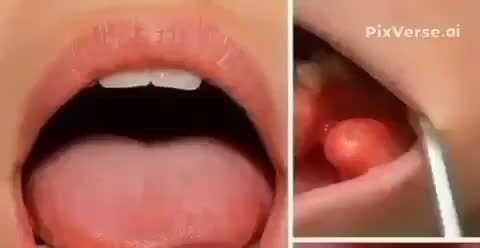
Most people ignore small changes in their mouths — a tiny sore, a white patch, or slight discomfort — assuming it’s nothing serious. But these early signs can sometimes point to oral cancer, a disease that grows silently and spreads before you even notice.

Oral cancer affects the lips, tongue, gums, and inner lining of the cheeks. It’s more common in men over 40, especially those who smoke, chew tobacco, or consume alcohol regularly. In India alone, more than 77,000 new cases are reported every year, and sadly, many are diagnosed too late.
Doctors warn that early detection can literally save your life. When found early, oral cancer is highly treatable, but once it spreads to the neck or lymph nodes, recovery becomes far more difficult.
Common symptoms include:
– Sores that don’t heal within two weeks
– Red or white patches inside the mouth
– Persistent swelling or bleeding
– Pain while chewing or swallowing
– Loose teeth without a clear cause
– Numbness in the lips, chin, or tongue
– Sudden voice change or unexplained weight loss

If any of these symptoms last more than 10–14 days, it’s time to see a Mouth and Oral Cancer Specialist in Delhi or your nearest dental oncologist. A simple oral examination or biopsy can detect early changes before the disease progresses.
Experts say that tobacco and alcohol use account for almost 80% of oral cancer cases. Poor oral hygiene, viral infections like HPV, and excessive sun exposure on the lips can also increase risk.
Oral cancer progresses through four stages — from a small, localized growth to advanced stages affecting lymph nodes or spreading to other organs. Treatment options include surgery, radiation therapy, chemotherapy, and in some cases, targeted or immunotherapy. Combining these treatments under medical supervision gives the best outcomes.

Prevention remains the most powerful defense. Quitting tobacco, moderating alcohol, maintaining oral hygiene, and having regular dental check-ups (at least twice a year) can significantly reduce your risk.
Remember — your mouth tells stories about your health. Don’t ignore the signs your body gives you. If something feels wrong, get it checked early. Awareness and timely action can save your smile — and your life.