The Powerful Medicinal Benefits and Uses of Senna alata 🌿
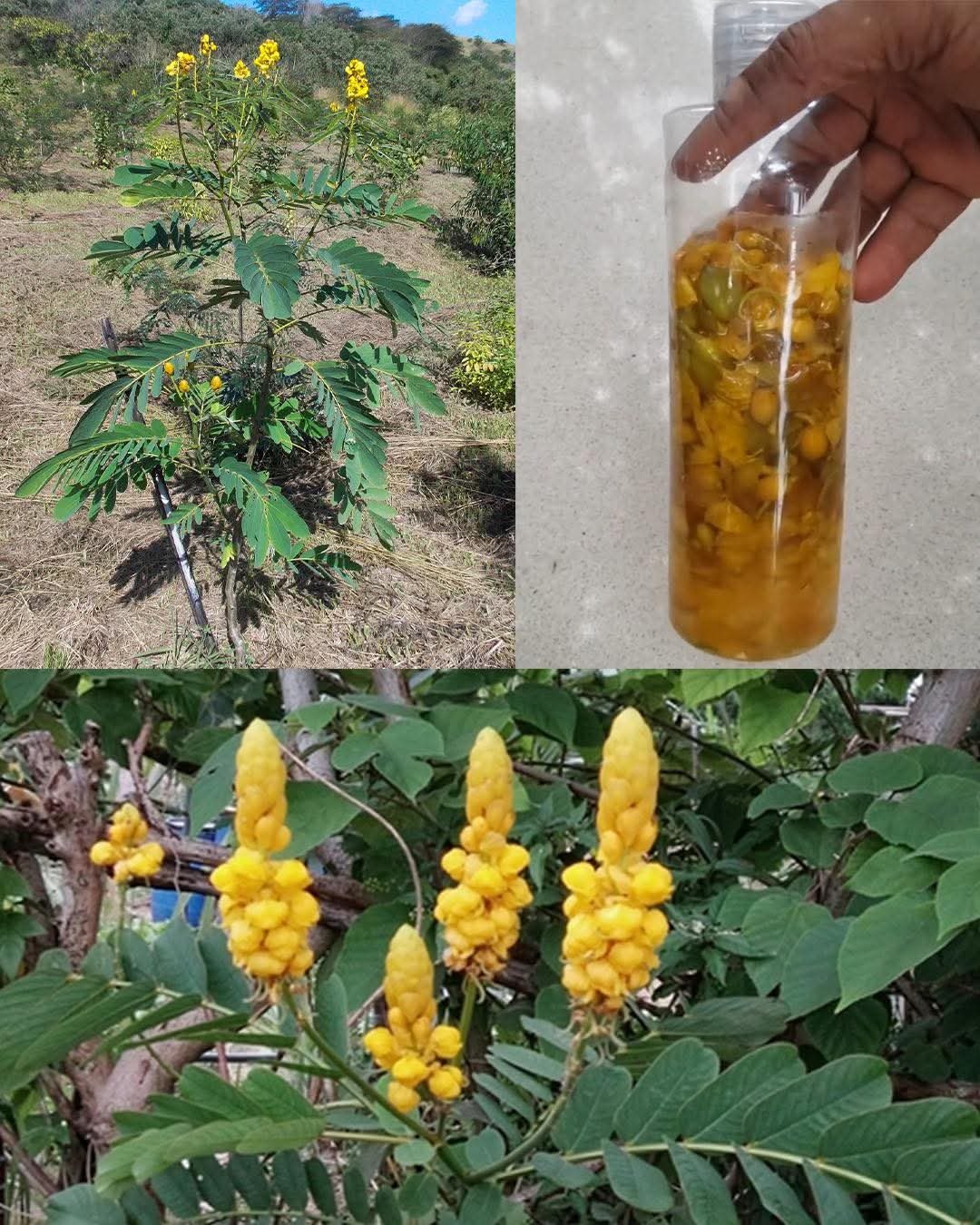
Nature holds countless remedies for maintaining good health, and one of its hidden treasures is Senna alata, also known as the Candle Bush, Ringworm Bush, or Emperor’s Candlestick. This tropical plant, easily recognized by its tall, bright yellow flower spikes, has been used for centuries in traditional medicine to treat a variety of skin, digestive, and inflammatory conditions. Modern studies are now confirming what ancient healers already knew — Senna alata is a natural powerhouse for healing and wellness.
What Makes Senna alata Special
Senna alata is rich in bioactive compounds such as anthraquinones, flavonoids, alkaloids, and essential oils. These natural chemicals give the plant its strong antifungal, antibacterial, anti-inflammatory, and laxative properties. Nearly every part of the plant — from its leaves and flowers to its seeds and roots — is used in traditional remedies.

1. Treats Fungal and Skin Infections
One of the most popular uses of Senna alata is in treating ringworm, a fungal infection that affects the skin. The leaves contain chrysophanic acid, a compound with potent antifungal activity. When crushed and applied directly to the affected area, the leaves help relieve itching, redness, and irritation.
Traditional healers also use it for eczema, scabies, acne, and rashes. Regular use of Senna alata leaf paste or extract helps cleanse the skin, promote healing, and prevent future infections.
2. A Natural Laxative and Digestive Aid
Senna alata works as a gentle natural laxative, helping to relieve constipation and support digestion. The anthraquinones in its leaves stimulate bowel movement and help eliminate waste efficiently. However, it should be used carefully — overuse can lead to dehydration or dependency.
3. Anti-Inflammatory and Pain-Relieving Properties
The plant’s strong anti-inflammatory action helps reduce swelling, pain, and stiffness in conditions like arthritis and muscle aches. Applying the leaf extract topically or drinking a mild decoction can provide relief from chronic inflammation and discomfort.
4. Supports Wound Healing
Thanks to its antimicrobial and antioxidant effects, Senna alata helps speed up wound healing. Applying the leaf extract to minor cuts and burns prevents infection and promotes faster recovery. Its natural cleansing properties make it a good alternative to chemical antiseptics.
5. Helps in Detoxification and Immune Support
Some herbal practitioners recommend Senna alata as a detoxifying herb. When taken in small, controlled doses, it helps cleanse the digestive tract, remove toxins, and strengthen the immune system.
How to Use It
For external use, crush the fresh leaves and apply them as a paste directly to the affected skin area. For internal use (such as laxative or detoxification purposes), a mild tea can be made by boiling a few leaves in water for about 10 minutes — but this should only be taken occasionally and under guidance, as excessive use can irritate the stomach.
Final Thoughts
Senna alata is truly a remarkable medicinal plant — a gift from nature that offers solutions for many everyday health problems. Whether used for skin conditions, digestive issues, or natural detoxification, it provides a safe, affordable, and effective way to promote well-being.

However, like all herbal medicines, moderation and proper guidance are key. Consult a healthcare professional before using Senna alata regularly, especially if you’re pregnant, nursing, or have a chronic condition.
Harness the power of this golden plant, and experience the healing touch of nature through Senna alata. 🌼💚