
7 Signs of Nasopharyngeal Cancer
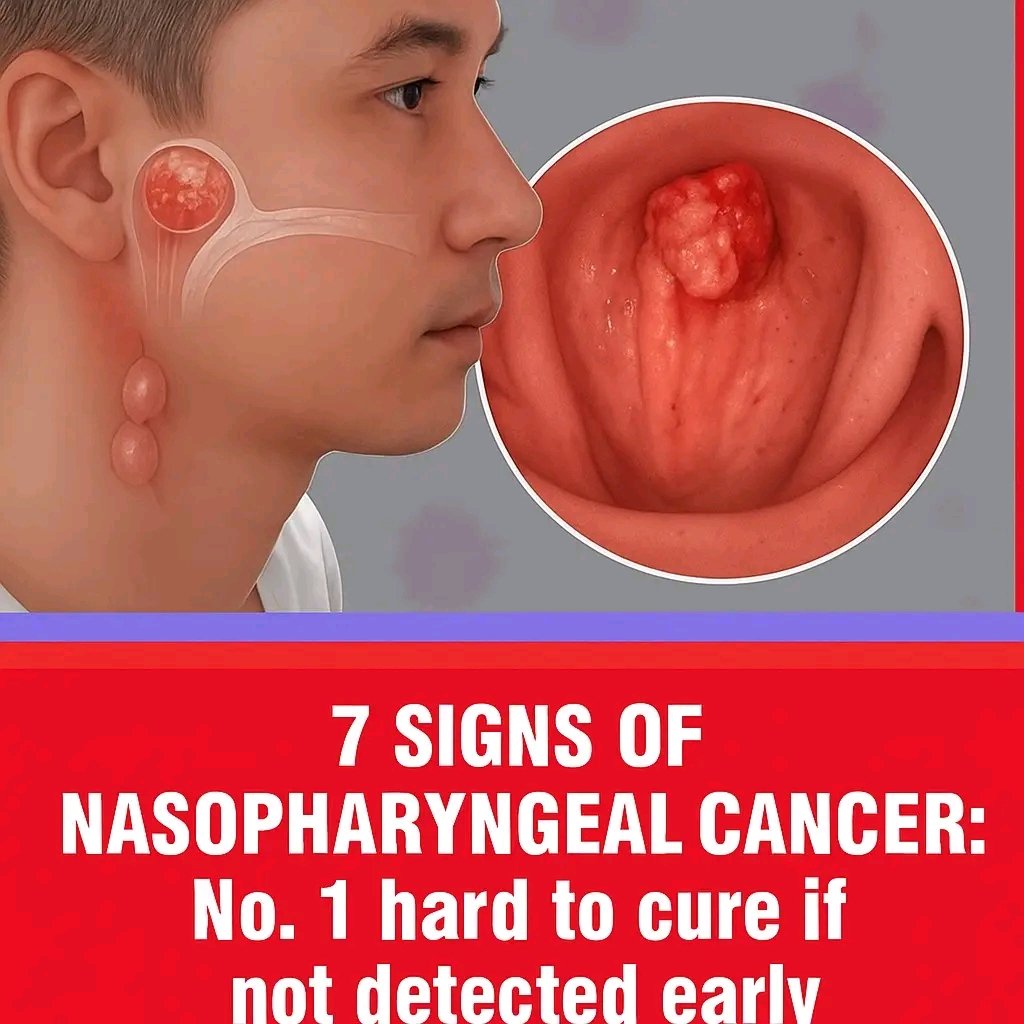
Nasopharyngeal cancer is a rare type of cancer that begins in the upper part of the throat, behind the nose. Because its early symptoms are often similar to common infections or allergies, it can be difficult to detect in the beginning. Recognizing the early warning signs is important, as timely treatment can make a big difference.

1. Persistent Nasal Blockage or Stuffy Nose
One of the most common early symptoms is a nose that feels blocked or stuffy, often on just one side. Unlike a cold, this congestion doesn’t go away with usual remedies. If nasal blockage continues for weeks or months, it could be a warning sign.
2. Nosebleeds
Occasional nosebleeds might not seem unusual, but frequent or unexplained bleeding from the nose can indicate something more serious. When nosebleeds occur repeatedly without a clear cause, it’s important to seek medical advice.
3. Hearing Problems
Since the tumor can press on the area near the ears, people may notice hearing loss, a feeling of fullness, or ringing in one ear. Persistent ear issues, especially in adults, should never be ignored.

4. Frequent Ear Infections
Children often get ear infections, but in adults, frequent or chronic ear infections can signal a deeper problem. If ear infections do not respond to treatment, a doctor should check for underlying causes like nasopharyngeal cancer.
5. Swelling in the Neck
Swollen lymph nodes in the neck are often one of the first noticeable signs. These lumps are usually painless but firm, and they tend to grow over time. Any persistent swelling in the neck should be checked by a professional.
6. Headaches and Facial Pain
As the cancer grows, it can press on nerves, leading to headaches or pain in the face. Unexplained headaches, especially if they occur alongside other symptoms, should raise concern.

7. Difficulty Breathing or Speaking
In more advanced stages, the tumor can obstruct the nasal passage or throat, making it harder to breathe, swallow, or even speak normally. These symptoms should always be taken seriously, especially if they worsen over time.
Final Note
Many of these symptoms can be caused by less serious conditions such as allergies or infections. However, when they persist for a long time or occur together, they should not be ignored. Early detection of nasopharyngeal cancer greatly improves the chances of successful treatment.