
8 Silent Warning Signs Your Body May Be Lacking Oxygen
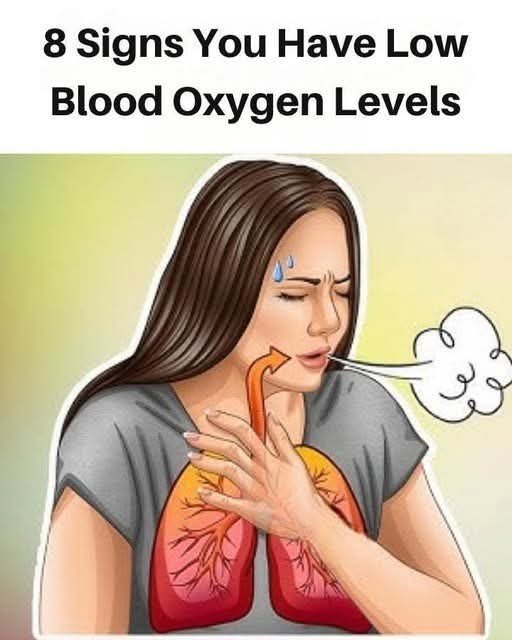
Your body relies on oxygen for every function, from thinking clearly to moving with ease. But when your blood oxygen levels drop, the signs might appear quietly — and ignoring them can be dangerous. Here are eight symptoms to watch for that could indicate low blood oxygen levels, also known as hypoxemia:
1. Shortness of breath — even when you’re resting
If you feel breathless during light activity or while sitting still, your lungs may not be delivering enough oxygen to your bloodstream. This isn’t just a fitness issue — it can be a sign of something more serious.

2. Dizziness or feeling lightheaded
A lack of oxygen in the brain can cause you to feel faint, unsteady, or confused. This is especially concerning if it happens frequently or without clear cause.
3. Bluish lips, fingertips, or skin
This condition, known as cyanosis, suggests your blood isn’t carrying enough oxygen. It requires immediate medical attention, as it may point to a critical issue with your lungs or heart.
4. Rapid or irregular heartbeat
When oxygen is low, the heart speeds up to try to deliver more blood to your organs. A racing or fluttering heartbeat may be your body’s way of compensating for reduced oxygen.
5. Constant fatigue or unusual tiredness
Oxygen powers your muscles and energy systems. When it’s in short supply, even basic tasks like walking or climbing stairs can leave you feeling drained.

6. Brain fog or trouble focusing
Your brain is highly sensitive to oxygen levels. If you’re feeling forgetful, foggy, or unusually slow to think, don’t just write it off as stress — it could be a low oxygen issue.
7. Cold or numb hands and feet
Reduced blood flow due to low oxygen can make your extremities feel cold, even in warm weather. Numbness or tingling can also occur when circulation is affected.
8. Poor sleep or waking up gasping
Interrupted sleep, especially if you wake up suddenly feeling breathless, might be a sign that your oxygen levels drop at night — often linked to sleep apnea or respiratory issues.
What might be causing low oxygen?
Several conditions can lead to low oxygen levels, including lung diseases like asthma, pneumonia, or COPD, heart problems, high altitude, anemia, and respiratory infections like COVID-19.

When to take action
If you experience more than one of these signs regularly, it’s important to speak with a doctor. A simple pulse oximeter test can check your oxygen level. Normal readings are typically between 95% and 100%. Anything below 90% may require urgent care.
Listen to your body — the signs are often there before things become serious.